


832-677-4620 / 281-570-5804
It's not about JUST BEING Online, Its about BEING FOUND Online

What is keyword research

Author Archives: Andy Alagappan

About Andy Alagappan

By Andy Alagappan : Call US for a FREE 30 MIN Web Site Marketing and Lead Generation analysis and Video Strategy consulting @ 832-677-4620 .281-570-5804 .

What is keyword research

In the ever-evolving realm of digital marketing, a comprehensive understanding of keyword research and its implementation is essential for individuals and organizations seeking to enhance their online presence. This guide delineates the fundamental aspects of keyword research, emphasizing its importance for search engine optimization (SEO) and the various types of keywords, including semantic search and keyword strategy, that can be effectively utilized. It also introduces powerful keyword tools such as Google Keyword Planner and SEMRush, which can assist in identifying the most appropriate keywords for content development and keyword optimization. Additionally, the guide provides insights on tracking success and making data-driven SEO decisions to optimize marketing strategies. Whether one is a seasoned marketer or a newcomer to the field, this guide offers the necessary knowledge to effectively implement keyword research, keyword clustering, and achieve meaningful results.

Understanding Keyword Research

Understanding keyword research is a fundamental component of search engine optimization (SEO) that entails identifying the terms and phrases that users input into search engines, considering search behavior and query intent. This process not only facilitates the optimization of content for enhanced visibility and search engine rankings but also strengthens the overall SEO strategies employed to drive organic traffic to a website.

By conducting comprehensive keyword analysis and audience analysis, marketers can strategically align their content with user search intent, thereby improving content optimization and ensuring the appropriate audience is targeted.

Furthermore, incorporating competitive analysis and evaluating market research enables the assessment of the effectiveness of selected keywords in relation to competitors, allowing for the implementation of data-driven strategies in a more effective manner.

Keyword Research and SEO Performance Statistics 2024: Mapping Keyword Intent

Keyword Research and SEO Performance Statistics 2024

The Keyword Research and SEO Performance Statistics 2024 offer a comprehensive view into the current state of SEO and its impact on digital marketing. The data highlights significant trends in search engine traction, click-through rates, and the effectiveness of SEO campaigns, underscoring the importance of strategic keyword research for optimizing online presence.

SEO and Keyword Statistics reveal that 92.96% of global traffic originates from Google, emphasizing Google’s dominance in the search engine market. This underscores the critical need for businesses to optimize for Google to capture and drive traffic. Additionally, SEO’s power is further demonstrated with SEO generating 1000% more organic search traffic than social media, making it a pivotal component of digital marketing strategies. Notably, Google’s stronghold extends to mobile with a 95.32% market share, highlighting the necessity for mobile SEO and mobile-optimized content to reach a broader audience.

Ranking and Click-Through Rates (CTR) show that the top-ranking result captures a 9.28% CTR, illustrating the value of achieving top positions in search results. However, only 5.7% of pages manage to rank in the top 10 within a year, indicating the competitiveness and challenge of SEO efforts. This data underscores the importance of consistent and strategic optimization to improve search rankings over time.

SEO Campaigns and Influence data shows that 60% of marketers use inbound SEO tactics, which emphasizes creating valuable content to attract organic traffic. The close rate of SEO leads is 14.6%, demonstrating SEO’s effectiveness in converting interest to business. Furthermore, with 78.2% of SEOs utilizing monthly retainers, it reflects the industry’s shift towards long-term partnerships and ongoing SEO efforts to maintain and improve rankings.

Overall, these statistics highlight the central role of SEO in driving traffic and achieving high conversion rates. Businesses focusing on SEO can benefit from increased visibility and engagement, particularly by optimizing for Google’s search and mobile platforms, understanding competitive dynamics, and investing in long-term SEO strategies.

What is Keyword Research and SERP Features?

Keyword research is the systematic process of identifying and analyzing the keywords and phrases that users employ in online searches, focusing on search queries and ranking factors.

This process entails evaluating factors such as search volume, keyword difficulty, and the relevance of potential keywords to formulate effective strategies for content marketing and search engine optimization (SEO).
By utilizing various tools, such as keyword planners and Google Trends, marketers can gain valuable insights into trending terms and their competitive landscape.

The integration of semantic keywords further enriches the context and related topics, ensuring that the content aligns closely with user queries.
It is essential to understand user behavior and intent, as this knowledge informs the selection of optimal keywords that not only attract organic traffic but also resonate with audience needs.

This, in turn, enhances engagement and conversion rates.
A deeper understanding of these dynamics can significantly differentiate between generic content and targeted, meaningful engagement.

Why is it Important for SEO and Content Strategy?

Keyword research is essential for SEO as it serves as the foundation for effective strategies aimed at increasing organic traffic, improving content relevance, and enhancing content visibility in search engine results pages (SERPs).

By comprehending the search behaviors of users, marketers can optimize their content to align with these queries, thereby improving user experience and engagement.
This strategic approach has a direct impact on various ranking factors, as search engines prioritize content that fulfills user intent. For example, the incorporation of long-tail keywords can result in higher rankings for specific queries, thereby driving targeted traffic.

Furthermore, analyzing keyword trends can guide content updates and keyword prioritization, ensuring ongoing relevance.

A travel blog that effectively utilizes seasonal keywords, such as “best winter getaway,” can experience a significant boost in visitor engagement during peak search periods, ultimately leading to increased conversions.
In conclusion, effective keyword research not only facilitates content optimization and webpage optimization but also enhances search visibility, making it an essential component of a comprehensive SEO strategy.

Types of Keywords and Keyword Density
A thorough understanding of the various types of keywords, including niche keywords and related keywords, is crucial for effective keyword targeting within SEO strategies.

The primary categories include short-tail and long-tail keywords.

Short-tail keywords, typically consisting of one to three words, tend to be highly competitive. In contrast, long-tail keywords, which are generally longer phrases, offer distinct advantages for niche targeting, as they often exhibit lower keyword difficulty and higher conversion rates.

Short-Tail Keywords and Competitive Keywords
Short-tail keywords are general search terms consisting of one to three words, typically characterized by high search volume alongside high competition, keyword difficulty, and keyword gaps.

Due to their broad nature, these keywords generally attract a wide audience but may not consistently yield high conversion rates.
Nevertheless, their utilization can be instrumental in generating initial traffic and enhancing brand visibility. By strategically employing these keywords, businesses can capture significant online interest and engage users who are in the early stages of the purchasing process.

Insights derived from competitive analysis indicate that, although competition for short-tail keywords can be intense, successful brands often capitalize on well-optimized content centered around these terms to establish a presence within their respective industries.

Ultimately, the challenge resides in converting that traffic into loyal customers, underscoring the necessity for an integrated approach that takes into account both keyword selection and user intent.

Long-Tail Keywords and Keyword Mapping
Long-tail keywords refer to longer, more specific phrases that users typically input into search engines when they are nearing a purchase decision or seeking particular information. These keywords generally exhibit lower competition and higher conversion rates, rendering them a valuable component of any SEO strategy.

By incorporating long-tail keywords, businesses can effectively address the unique needs and pain points of their target audience, ensuring that the content resonates more significantly.

This strategy not only enhances visibility in search results but also aligns seamlessly with audience targeting and content creation strategies that prioritize understanding user intent.

Consequently, marketers can anticipate the precise queries that potential customers are likely to search for, thereby guiding them through the sales funnel with tailored content that fosters engagement and increases the probability of conversions.

Tools for Keyword Research and Search Insights
A range of tools is available for conducting keyword research, each providing distinct features that assist marketers in identifying effective keywords for their SEO strategies.

Notable among these tools are:

Google Keyword Planner, which facilitates the analysis of search volume and trends,
SEMRush, which aids in competitive analysis and tracking keyword rankings.
Google Keyword Planner
Google Keyword Planner is a robust tool that enables marketers to identify keyword suggestions and keyword variations, analyze search volume, and evaluate keyword performance for both organic and paid search campaigns.

By utilizing this tool, users can obtain valuable insights into keyword trends, Google Trends, and competition levels, which are critical for developing effective SEO, off-page SEO, and PPC strategies.

The platform not only facilitates the discovery of related keywords and LSI keywords but also allows users to assess the search volumes, website traffic, and click-through rates associated with specific terms.

When interpreting the data, it is crucial to focus on metrics such as average monthly searches and suggested bids, as these figures can inform decisions regarding which keywords to prioritize. Integrating these insights into content strategies ensures that campaigns align with the target audience and enhance overall online visibility.

SEMRush and SEO Tools
SEMRush is a comprehensive digital marketing tool that offers extensive keyword research capabilities, enabling users to conduct competitive analyses, perform site audits, and evaluate SERP features and query optimization.

With its advanced functionalities, SEMRush serves as an essential resource for digital marketers seeking to enhance their online presence. For example, its keyword research tools provide valuable insights into search volume, competition levels, and related terms, enableing users to identify new content opportunities effectively.

The competitive analysis feature allows users to benchmark their performance against leading competitors, thereby exposing strengths and weaknesses in their strategic approaches, including their backlink strategy.

Additionally, the site audit functionality conducts a detailed assessment of websites, identifying technical issues, on-page SEO, and mobile SEO factors, and assisting users in implementing recommended modifications to improve their search engine rankings and overall visibility.

Implementing Keyword Research and Topic Research
Effective implementation of keyword research is essential for identifying target keywords and intent-based keywords that guide content creation and enhance on-page SEO and website optimization.

By strategically integrating researched keywords throughout the content, marketers can improve user engagement and elevate organic rankings within search engine results pages.

Identifying Target Keywords
Identifying target keywords entails a thorough analysis of market research and audience insights to uncover terms that resonate with potential users. This ensures that the content produced aligns with their search behavior and intent.

The process commences with comprehensive keyword analysis, utilizing various tools and methodologies to monitor search trends and volumes. By examining competitors’ keyword strategies and assessing industry-related terminology, one gains a clearer understanding of the factors that drive user engagement. Audience targeting plays a critical role in refining this selection.

By gaining insights into the demographics, preferences, and pain points of the target market, it becomes possible to prioritize keywords that not only attract traffic but also effectively address the specific needs and interests of users. This tailored approach maximizes the relevance and effectiveness of the selected keywords, ultimately enhancing the likelihood of successful content engagement.

Incorporating Keywords into Content and Content Engagement
Incorporating keywords into content is an essential component of optimizing SEO and enhancing user experience. It is important to strategically position keywords within the content while maintaining its overall quality.

To achieve this balance, it is advisable to maintain an optimal keyword density, typically around 1-2%. This level allows search engines to recognize the primary focus without overwhelming readers.

Additionally, employing on-page SEO strategies-such as effectively utilizing headings, meta descriptions, alt text, and semantic relevance-can further reinforce the relevance of the content.

Integrating keywords seamlessly into engaging narratives not only assists in improving search rankings but also captivates the audience, thereby promoting longer dwell times and reduced bounce rates. Ensuring that the content remains informative and aligned with user intent guarantees that both search engines and readers derive value, ultimately leading to enhanced visibility and user satisfaction.

Measuring Success with Keyword Research and Analytics
Measuring success through keyword research entails monitoring keyword rankings and evaluating content performance. This analysis is essential for assessing the effectiveness of selected keywords in generating traffic and facilitating conversions.

Tracking Keyword Rankings and Keyword Tracking
Tracking keyword rankings is crucial for assessing the effectiveness of SEO efforts, as it enables the monitoring of Search Engine Results Page (SERP) positions, keyword funnel, and the adjustment of strategies based on performance metrics.

By employing a variety of SEO tools, digital marketers can obtain valuable insights into the performance of their target keywords in search engine results. This process entails analyzing fluctuations in rankings, click-through rates, and overall traffic to ascertain which strategies are producing favorable outcomes.

Tools such as Google Analytics, SEMrush, and Moz provide essential data regarding SERP positions, allowing users to identify trends that can significantly influence their content planning and outreach initiatives.

Effectively interpreting these metrics is instrumental in refining SEO strategies, ensuring that the selected keywords not only attract targeted traffic but also align with the search intent of the intended audience, thereby improving landing pages.

Analyzing Traffic and Conversions and Content Distribution
Analyzing traffic and conversions provides valuable insights into content performance and enables marketers to comprehend user behavior and voice search optimization, ultimately informing strategies for enhanced effectiveness.

By employing various analytical techniques, such as A/B testing, cohort analysis, and data analysis, marketers can obtain a more profound understanding of how different segments of their audience engage with content.

Monitoring key metrics such as bounce rates, time on page, click-through rates, and evaluation metrics is essential, as these indicators reveal areas where adjustments may be required to improve user engagement.

Utilizing heatmaps can visually demonstrate how visitors navigate a website, highlighting sections that attract the most attention and those that may require optimization and local SEO.

Thus, understanding user behavior not only assists in identifying strengths and weaknesses within content strategy but also facilitates well-considered choices, resulting in higher conversion rates and an enhanced user experience and digital presence.

Frequently Asked Questions

What is keyword research and why is it important for implementation?
Keyword research is the process of identifying and analyzing the words and phrases that people use to search for information on a specific topic. It is important for implementation because it helps you understand what terms and phrases your target audience is using, which can inform your content and marketing strategies.

How does keyword research help with search engine optimization (SEO)?
By conducting keyword research, you can identify the most relevant and popular keywords for your target audience. This allows you to optimize your website and content with these keywords, which can improve your search engine ranking and visibility.

How do you conduct keyword research for implementation?
There are various tools and methods you can use for keyword research, such as Google Keyword Planner, SEMrush, and Ahrefs. You can also leverage social media, forums, and your own website analytics to gain insights on popular keywords. It is important to research and analyze both short-tail and long-tail keywords for a comprehensive approach.

What are some benefits of implementing keyword research in your marketing strategy?
By incorporating keyword research into your marketing strategy, you can improve your website’s visibility, attract more targeted traffic, and increase your chances of converting leads into customers. It also allows you to stay updated on the latest trends and topics related to your industry, providing valuable insights for your content creation and marketing efforts.

How often should you conduct keyword research for implementation?
Keyword research is an ongoing process and should be conducted regularly to stay relevant and competitive in your industry. It is recommended to conduct keyword research at least once a month, or whenever you are creating new content or launching new marketing campaigns.

What are some common mistakes to avoid when implementing keyword research?
Some common mistakes to avoid when implementing keyword research include solely focusing on high volume keywords without considering relevance, neglecting long-tail keywords, and not tracking and analyzing the effectiveness of your chosen keywords. It is also important to regularly update and refresh your keyword research to stay current and relevant with your target audience.

What Is Multi Modal Search and Why Should Local Businesses Care?

What Is MultiModal Search and Why Should Local Businesses Care?

Most business owners assume their customers find them the same way they always have—by typing a few words into Google. But that’s no longer true. Today’s consumers are searching in ways that would have seemed futuristic just a few years ago. If you’re only optimizing for traditional search, you’re already falling behind.

MultiModal Search refers to the use of multiple types of search inputs—text, voice, images, video, and AI-driven recommendations—to find information online. Instead of just typing a query into Google, consumers now rely on Google Lens, voice assistants like Siri and Alexa, TikTok search, and even AI-powered responses from tools like ChatGPT and Google’s Search Generative Experience (SGE).

Think about it:

● A homeowner with a leaking pipe might ask Alexa for the nearest emergency plumber instead of typing a search query.
● A traveler looking for a great restaurant might snap a photo of a dish and use Google Lens to find places nearby that serve it.
● A first-time homebuyer might search YouTube or TikTok for “best real estate agents near me” instead of reading online directories.
This shift means businesses can no longer afford to focus only on keyword rankings—they need to ensure they’re discoverable across all these different search methods.

The Key MultiModal Search Inputs You Need to Optimize For

1. Text-Based Search – Still relevant, but search engines now prioritize more conversational and intent-driven content.
2. Voice Search – AI assistants favor businesses that provide direct, clear answers to common customer questions.
3. Image Search – Google Lens and Pinterest Lens allow users to search for businesses and products visually.
4. Video Search – Short-form video platforms like YouTube and TikTok are increasingly being used as search engines.
5. AI-Powered Search – Google’s Search Generative Experience (SGE) pulls business details into AI-generated results.
Each of these search types plays a different role in how consumers discover local businesses. The businesses that show up across multiple search methods—not just Google’s standard search results—are the ones getting the most visibility.
________________________________________
How MultiModal Search Is Reshaping Consumer Behavior
Voice Search:

The Rise of Conversational Queries
More than 50% of adults use voice search daily, and that number is growing. The way people speak to their devices is different from how they type queries into Google. Instead of searching for “best pizza near me,” they might ask, “Where can I find the best New York-style pizza in downtown Chicago?”
What does this mean for local businesses? You need to start optimizing for natural, conversational phrases. This includes adding an FAQ section to your website with commonly asked questions written in the way people actually speak.
Another critical factor is Google Business Profile optimization—since voice search assistants often pull results directly from GBP. Ensuring your listing has accurate business details, service areas, and updated categories will improve your chances of appearing in voice search results.
________________________________________
Image Search: Why Visual SEO Matters More Than Ever

Google Lens is now processing billions of searches per month, with users searching for businesses and products by snapping photos instead of typing text queries.
For example, let’s say a customer sees a unique haircut style in a magazine. Instead of searching for “barbers that do modern fades,” they simply take a picture and let Google Lens find salons near them that offer similar styles.

To make sure your business is searchable through images, focus on:

● Optimizing your website’s images – Use descriptive alt text, file names, and geotags.
● Uploading high-quality images to GBP – Google often pulls these into search results.
● Encouraging customers to upload photos – User-generated content helps signal relevance to Google.
If your business has a physical storefront, your signage and branding should also be image-search-friendly. Google Lens can recognize text in images, meaning a well-placed sign with your business name and services could help customers find you in search results.
________________________________________
Video Search: TikTok & YouTube Are Becoming the New Google

More and more consumers—especially younger audiences—are skipping Google altogether and going straight to TikTok or YouTube to search for recommendations. In fact, nearly 40% of Gen Z users prefer TikTok over Google for discovering local businesses.
This means local businesses need to start thinking about video content as a search strategy, not just a branding tool. Short, engaging videos can help position your business as the go-to choice in your area.
Here’s how to make it work:
● Create short, informative videos answering common customer questions.
● Post local content showcasing your team, services, or customer experiences.
● Use local hashtags and geo-tags so people in your area can find your content.
Even if you’re not an influencer, having a simple video presence on platforms like YouTube, TikTok, and Instagram Reels can put your business in front of a whole new audience.
________________________________________
AI-Powered Search: Google’s SGE and the Future of Local Visibility

Google’s Search Generative Experience (SGE) is reshaping search by integrating AI-generated summaries into results. Instead of users clicking on multiple links, Google’s AI now provides direct answers based on the most relevant content.
For local businesses, this means your content needs to be structured for AI-readability. Use:
● Clear, well-structured content (short paragraphs, easy-to-read formatting)
● Direct answers to common customer questions
● Google Business Profile updates (since AI pulls from GBP data frequently)
This AI-driven shift means SEO is no longer just about keywords—it’s about providing clear, valuable answers that search engines can easily process.
________________________________________
How to Future-Proof Your Business for MultiModal Search

To stay competitive, local businesses should:
1. Optimize for voice search by adding conversational FAQs to their website.
2. Ensure all images on their website and GBP are searchable with alt text and geotags.
3. Start creating short-form video content to appear in TikTok and YouTube searches.
4. Update GBP with complete details, images, and service descriptions to improve visibility.
5. Structure content for AI-powered search engines so Google’s AI can pull accurate details.
The businesses that embrace MultiModal Search now will be the ones dominating local search results in 2025 and beyond.
________________________________________
The way customers search for businesses is changing fast. Those that stick to traditional SEO and ignore voice, image, video, and AI-powered search will fall behind. But for businesses that adapt early, MultiModal Search presents a massive opportunity to get ahead of competitors and attract more customers than ever before.
Now is the time to optimize. The question is—will your business be ready?

How to Optimize for Multi Modal Search & Make Your Business More Discoverable

How to Optimize for Multi Modal Search & Make Your Business More Discoverable

Why Some Local Businesses Get Found Everywhere— And Others Stay Invisible
Some local businesses seem to show up everywhere—in Google searches, on voice assistants, in image results, even in TikTok videos. Others? Practically invisible.
The difference isn’t luck. It’s a strategy.

Most businesses are still stuck in a traditional SEO mindset, optimizing only for text-based searches. But today’s consumers search in multiple ways—using voice assistants, snapping photos for image search, watching videos, and getting AI-powered recommendations from Google’s latest search updates.
If your business isn’t optimized for all these search methods, you’re losing out on a growing number of potential customers.

The good news?

Most of your competitors haven’t caught on yet. That gives you an edge—if you take action now. Here’s how to ensure your business is discoverable across every search type people use today.

Step 1: Make Your Website MultiModal-Friendly

A website is still your digital storefront, but it needs to be more than just SEO-friendly—it must be optimized for voice search, AI-driven search, and image-based discovery.
One major shift is how people interact with search engines. Instead of typing “best chiropractor near me,” voice search users might ask:
“Who’s the best chiropractor in [city] that accepts walk-ins?”
To rank for these types of searches, your website should be written in a natural, conversational tone. Adding a well-structured FAQ page with full-sentence answers helps voice assistants and AI pull your content into search results.
Another crucial factor is AI-readability. Google’s Search Generative Experience (SGE) and other AI-powered search tools now generate summaries instead of just displaying a list of links. If your content isn’t structured properly, it won’t get featured. To optimize for this shift, use clear headings, concise answers, and well-organized sections.
________________________________________
Step 2: Strengthen Your Google Business Profile (GBP)

For local businesses, Google Business Profile (GBP) is a game-changer. It doesn’t just help with Google rankings—it’s also used for voice search results, AI-driven answers, and image-based search queries.
A complete, well-optimized GBP listing is far more likely to show up when someone asks Google Assistant for recommendations or when AI-generated search summaries highlight local businesses.
To maximize visibility, make sure your profile is fully completed and regularly updated. Adding high-quality images and short videos makes your listing more engaging while also helping your business appear in image-based search results.
Another key factor? Customer reviews. Google’s AI actively scans both the text and images within reviews to better understand what a business offers. A well-reviewed business that frequently updates its GBP is far more likely to show up across multiple search types.
________________________________________
Step 3: Optimize for Image & Visual Search

More people are using Google Lens and Pinterest Lens to search for businesses visually. Instead of typing a query, they simply snap a picture of a product, menu, or storefront and let Google find similar businesses nearby.
To take advantage of this shift, start by optimizing the images on your website and GBP. Every image should have descriptive alt text, an SEO-friendly filename, and geotagging so that search engines can understand and categorize it properly.
For businesses with physical locations, storefront images and customer-submitted photos matter. A well-optimized photo can help your business appear in search results even if the person searching doesn’t know your name.
________________________________________
Step 4: Leverage Video Search to Reach More Customers

YouTube and TikTok are quickly becoming primary search engines, especially among younger audiences. Many users now go straight to video platforms to research businesses instead of searching on Google.
A restaurant, for example, might be discovered not through Google but through a TikTok review showcasing the atmosphere and best dishes. Similarly, a home service business might rank well on YouTube search results simply by posting a short, engaging video about their services.
To get found on video-based search platforms, create short, engaging clips that showcase what makes your business unique. Keep descriptions detailed and keyword-rich so search engines can categorize them correctly.
Even a simple “Meet Our Team” or “Behind the Scenes” video can significantly boost your visibility in video search results.
________________________________________
Step 5: Prepare for AI-Powered Search Results

Google’s AI-powered search tools are reshaping how businesses get found. Instead of just ranking pages, Google now generates direct answers using AI—and it pulls those answers from structured content, GBP listings, and business directories.
To ensure your business gets featured in AI-driven search results, it’s important to:
• Write direct answers to common questions on your website.
• Organize content using clear headings and structured formatting.
• Ensure your GBP is up-to-date and detailed since AI pulls data from it.
• Claim and optimize listings on reputable business directories that Google references.
As AI continues to evolve, businesses that optimize for AI-driven search now will have a major competitive edge.
________________________________________
Final Thoughts: MultiModal Search Isn’t the Future—It’s Already Here

The businesses that get the most visibility today aren’t just ranking on Google’s text-based results—they’re appearing in voice search, image search, video search, and AI-powered recommendations.

By taking action now, your business will be in the best position to:
✔ Be featured when customers use voice search with Siri, Alexa, and Google Assistant.
✔ Show up in Google Lens and Pinterest Lens searches.
✔ Rank in TikTok and YouTube search results for local businesses.
✔ Appear in AI-generated search summaries before your competitors do.

Many businesses are still ignoring these opportunities. That gives you the chance to get ahead while most of your competition lags behind.
The question is—will your business be one of the ones customers actually find?

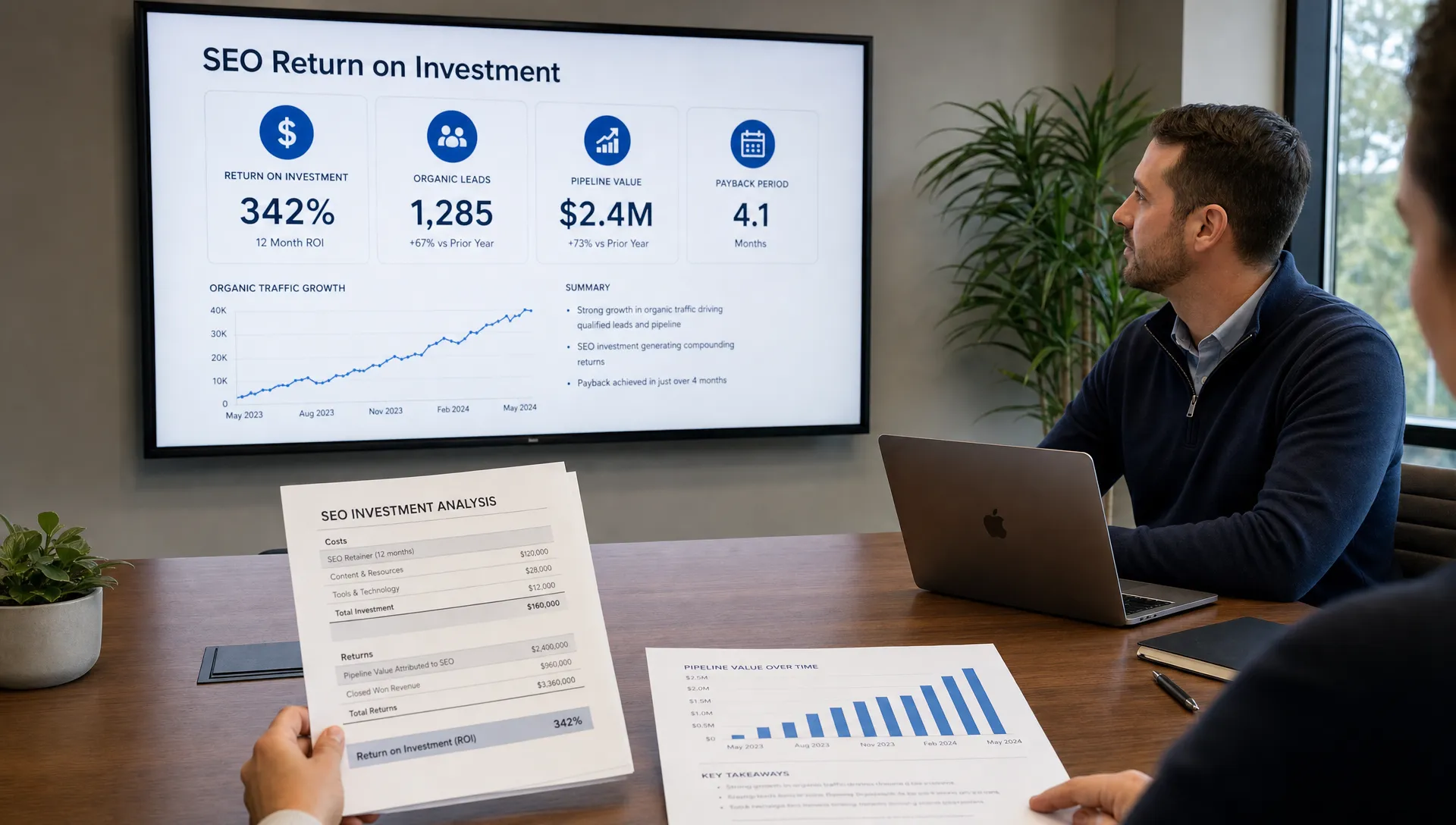
How SEO CAMPAIGN Brought 67% More Qualified Leads to a B2B Tech Company in Just 6 Months

How SEO Brought 67% More Qualified Leads to a B2B Tech Company in Just 6 Months

“We stopped chasing traffic. We started attracting decision-makers.”

When a mid-sized B2B SaaS company approached us, their site was getting traffic but not the kind that converts.
Here’s how a focused SEO strategy transformed their lead pipeline and built long-term trust.

Goals

Improve quality of inbound leads
Target high-intent decision-makers
Position the brand as an industry authority

Phase 1 Visibility & Awareness
We began by identifying niche keywords that mattered to actual B2B buyers.
5X increase in search impressions for buyer keywords
Secured featured snippets in 7 competitive queries
Ranked #1 for 3 product-focused key terms
63% growth in branded search volume
Earned links from 4 major industry sites

Phase 2 Lead Generation
Next, we optimized content formats that drive serious business interest not casual browsing.
47% of new leads came from gated SEO content


3X more lead-to-opportunity conversions

Organic demo requests increased by 2.4X
Time-to-convert shortened by 22%
Cost-per-lead dropped by 36%

Phase 3: Brand Authority
We built a library of resources that positioned the company as a trusted expert.
Published 12 whitepapers—6 got quoted by industry blogs
Hosted 5 webinars—average attendance grew by 58%
Domain authority jumped from 22 → 41
Created content that spoke to each buyer persona
86% of new clients said content influenced their decision


Content that Converts

Impulse buying doesn’t exist in B2B. So, we shifted toward decision-stage content.
Rolled out 3 eBooks—2,300+ downloads in 3 months
Created detailed case studies for every vertical
Aligned blogs with long-tail “problem” search terms
SEO-led webinar titles boosted signups 2X
Moved from feature pages to solution-based pages

Results that Mattered
It wasn’t just more traffic—it was the right traffic.
91% of visitors matched the ICP

SEO drove 67% of marketing-qualified leads
Bounce rate dropped by 41% on core pages
Avg. time on site increased to 3 mins+
Organic leads closed at 2.9X the average deal size


B2B SEO isn’t about traffic it’s about trust and timing.

If you deliver the right content at the right moment, your website becomes your best sales rep.

Want a strategy like this? Let’s chat.

marketers say intent signals help them close deals FASTER

76% of faster say intent signals help them close deals FASTER

Wanna know how they do it?
Here’s your easy-to-follow guide on reading digital body language and turning browsers into buyers.

👇👇👇
What are Intent Signals?
Intent signals are digital clues your potential customers leave behind when they’re thinking about buying.
They don’t say it out loud.

But their clicks, scrolls, searches, and shares tell the story.

Let’s break it down

Online Behavior
They came. They clicked. They’re curious.
Visited your site 3x this week? Hot lead.
Spent 5 mins on the pricing page? That’s intent.
Downloaded your eBook? Move them up the funnel.
Tip: Use tools like Hotjar or Google Analytics to spot these moments.

Search Activity
If they’re Googling it, they’re thinking about it.
Long, specific search phrases = they’re in research mode.
Looking for “best CRM tools for startups”? Be there.
Track keywords using Google Search Console or SEMrush.
Tip: Answer their search in your content. Be the solution they’re searching for.

Content Interaction
Not all content is consumed equally.
Who’s reading your blog till the end?
Who downloaded your whitepaper?
Who clicked your CTA but didn’t convert?
Tip: These are warm signals reach out with value, not a sales pitch.

Social Media Signals

The silent buzz before the conversation.
Mentioned your brand in a tweet? Engage.
Shared your LinkedIn post? Say thank you.
Liked 3 posts in a row? They’re watching.
Tip: Social listening = early detection of buyer interest.

Third-Party Intent Data
Look beyond your bubble.
Tools like Bombora, G2, and ZoomInfo track what users do on other sites.
See what companies are researching topics like yours.
Strike before your competitors even know they’re interested.
Tip: Combine this with your own data for laser-focused targeting.

Intent data = Superpower.

Use it to show up before your prospect says, “I’m ready.”
Because when you know who’s looking, you stop selling—
You start solving.

Save this AND .
Share it with your sales team.

Want help setting this up? Let’s chat.

Hi, I’m Andy.
I specialize in B2B lead generation & SEO growth strategies.
DM me to discuss how to scale your business.

9 Effective Ways to Drive Traffic to Your Lead Magnet

Want to grow your email list, generate more leads, and boost your business?

Lead magnets are a game-changer.

But you need the right strategies to get them noticed.

Here are 9 proven ways to drive more traffic to your lead magnet:

1. Target Keywords on Google →
Rank for keywords that are relevant to your audience’s needs.
Ensure your website and landing pages are optimized for search engines.
Drive organic traffic to your lead magnet through targeted content.

2. Post on LinkedIn →
Write insightful posts that attract professionals.
Include a call-to-action (CTA) to download your lead magnet.
Share valuable industry knowledge to gain trust.

3. Post on Twitter →
Tweet about your lead magnet with a catchy, direct message.
Use relevant hashtags to increase reach.
Pin the tweet for more visibility on your profile.

4. Run Ads on Social Media →
Use Facebook, LinkedIn, or Twitter ads to target your ideal audience.
Ensure the ad copy is compelling and the link leads directly to your lead magnet.
Experiment with different ad formats for better results.

5. Post a Blog (SEO Optimized) →
Create a blog post around a popular topic in your niche.
Ensure it’s SEO-optimized for high-traffic keywords.
End the blog with a strong CTA that invites readers to download your lead magnet.

6. Re-target Website Visitors →
Use retargeting ads to reach people who’ve already visited your website.
Remind them of the value your lead magnet provides.
Direct them back to the lead magnet with a persuasive message.

7. Post on Facebook →
Share engaging, value-driven posts on your Facebook page.
Include a direct link to your lead magnet in the post.
Encourage followers to share your post for more visibility.

8. Update Your Social Profiles →
Update your “About” section on Facebook, LinkedIn, and Twitter.
Include a link to your lead magnet as a value offer.
Make sure your profile reflects your expertise and value to attract clicks.

BONUS: Offer a Lead Magnet Instead of Sales Calls →
Instead of pushing a sales call, offer your lead magnet as an alternative.

Give your audience an easy way to engage without pressure.
Use it as a way to nurture leads and build trust over time.

Why This Matters
These strategies aren’t just about driving traffic
They’re about attracting the right traffic.
By using these methods, you’ll build a quality email list, engage more effectively with potential customers, and grow your business sustainably.

Ready to see results?
Start applying these strategies today and watch your lead magnet work wonders

Hi, I’m Andy.
I specialize in B2B lead generation & SEO growth strategies.
DM me to discuss how to scale your business.

Is your Website Losing Leads

Your
Here’s How to Fix It

→ 121% more conversions – that’s what a strong CTA can do
→ 300% boost in leads – just by optimizing your landing page
→ 50% of sign-ups come from mobile – is your form ready?

If your website isn’t converting visitors, you’re missing out on serious growth. Let’s break it down.

1️⃣ Call-to-Actions (CTAs) That Get Clicks
A weak CTA = lost leads. A strong CTA = more conversions.
→ Be clear – “Click Here” is useless. “Get Your Free Guide Now” works.
→ Use action words – “Download,” “Claim,” “Try for Free” drive engagement.
→ Make it stand out – High-contrast colors get more clicks.
→ Get personal – “Start My Free Trial” converts 90% better than generic CTAs.
→ Test and tweak – A/B testing can boost conversions by 30%+.

2️⃣ Landing Pages That Turn Clicks into Leads
Your homepage isn’t built for conversions. A targeted landing page is.
→ One goal, one focus – Remove distractions.
→ Grab attention fast – Strong headlines improve retention by 80%.
→ Fewer form fields = more leads – Cutting fields from 6 to 3 boosts sign-ups by 66%.
→ Show the value – What’s in it for them? Make it clear.
→ Build trust – Testimonials, security badges, and case studies matter.

3️⃣ Lead Capture Forms That Don’t Scare Visitors Away
Nobody likes long, complicated forms. Keep it simple.
→ Less is more – Only ask for essential info.
→ Mobile-first design – Over 50% of users sign up from their phones.
→ Multi-step forms work better – They convert 86% more than single-page forms.
→ Show real-time errors – Fix mistakes instantly to reduce drop-offs.
→ Enable autofill – Faster forms mean fewer abandoned sign-ups.

4️⃣ The Winning Formula
More leads = Strong CTA + Optimized Landing Page + Seamless Form
→ Brands using these strategies see a 200%+ boost in leads
→ Your website should be working for you, not against you
→ Start optimizing today and watch your conversions grow

Hi, I’m Andy.
I write about and implement B2B lead generation campaigns.
DM me to discuss implementation strategies.

What Are the Most Effective Strategies for Implementing Demand Generation Campaigns?

What Are the Most Effective Strategies for Implementing Demand Generation Campaigns?

The successful implementation of effective demand generation campaigns necessitates a comprehensive understanding of marketing strategies, the formulation of strategic messaging, and the establishment of measurable objectives to assess performance insights.

Identify Your Target Audience
Identifying the target audience constitutes a foundational step in demand generation, necessitating the analysis of customer insights and the application of audience segmentation techniques. By focusing on distinct groups within a broader market, businesses can more effectively tailor their messages and offers.

This process commences with the collection of data from various channels, including social media analytics, website traffic, and customer feedback surveys. Such data enables marketers to identify patterns that reflect the preferences and behaviors of different customer segments.

Demographics: A comprehensive understanding of factors such as age, gender, and location can facilitate the creation of highly personalized campaigns that resonate with specific groups.
Psychographics: Insights into lifestyle, values, and interests further enhance targeting efforts, ensuring that messaging aligns with audience motivations.
Behavioral Data: Monitoring past purchases and interactions aids in predicting future buying behaviors, enabling brands to craft timely and relevant offers.
This nuanced approach to segmentation not only enhances engagement but also drives conversion rates, as the needs of the audience are met with greater precision. This exemplifies the critical role of data-driven insights in shaping effective marketing strategies.

Create High-Quality Content
Creating high-quality content is essential for capturing the attention of a target audience and establishing strong brand positioning in the market. This approach not only attracts potential customers but also retains their interest over time, fostering a loyal community around the brand.

When content resonates with its audience, it exhibits specific characteristics that contribute to its effectiveness: relevance, originality, and engagement. Relevance ensures that the message aligns with the interests and needs of consumers, while originality presents unique perspectives that capture attention and provoke thought. Engaging content encourages interaction, prompting users to share, comment, and connect, thereby amplifying its reach.

To enhance brand visibility and authority effectively, businesses should adopt comprehensive content marketing strategies that emphasize these key characteristics.

Identifying target demographics and understanding their preferences can guide content creation.
Incorporating storytelling elements in posts can foster a deeper connection with the audience.
Maintaining consistent publishing schedules can sustain engagement and keep the brand prominent in the minds of potential customers.
Ultimately, high-quality content serves as a powerful tool for customer acquisition, converting casual readers into loyal customers and advocates for the brand.

Utilize Multiple Channels and LinkedIn
Utilizing multiple channels, including professional platforms like LinkedIn, is essential in demand generation, ensuring that marketing efforts effectively reach potential customers across various touchpoints throughout their customer journey.

When businesses implement a multi-channel strategy, they can leverage the strengths of different platforms to create a cohesive experience that resonates with their target audience. For instance, a campaign that integrates social media, email marketing, and content marketing can significantly enhance audience engagement, ultimately leading to higher conversion rates.

Research indicates that the combination of channels can result in a 300% increase in conversion opportunities, as customers are more likely to respond positively when they encounter messages across diverse formats. Successful campaigns from brands such as Nike and Coca-Cola exemplify this approach, effectively utilizing television, digital ads, and social media to create a synergistic marketing strategy. This not only strengthens brand recognition but also facilitates a richer storytelling experience, captivating consumers from multiple angles.

Enhanced Audience Engagement: Multi-channel strategies tailor messages that cater to varying preferences.
Increased Conversion Rates: Multiple touchpoints provide increased opportunities for customer conversion.
By harnessing the potential of various channels, marketers can effectively guide prospects through their buying journey while nurturing enduring relationships with existing customers.

Personalize Your Approach with Marketing Frameworks
Personalizing the approach to demand generation by implementing marketing frameworks significantly enhances the overall customer experience and fosters relationship building by ensuring that potential customers feel valued and understood.

By leveraging advanced customer data analytics, organizations can develop tailored messaging that directly addresses consumer preferences, challenges, and interests. This strategy not only enhances communication but also fosters a sense of trust and connection between the brand and the customer.

As a result, this degree of attentiveness contributes to strong customer loyalty, as individuals are more inclined to engage with brands that acknowledge their specific needs. When implemented effectively, personalization can lead to markedly improved engagement metrics, as customers encounter relevant content that resonates with them, thereby increasing the likelihood of interaction and subsequent conversion.

Key strategies for effective personalization include:

Segmenting the audience based on demographics and buying behavior.
Employing personalized email marketing campaigns and leveraging tools like HubSpot and Salesforce for CRM integration.
Utilizing targeted advertisements across digital platforms.
These tailored approaches not only enhance consumer satisfaction but also facilitate the development of long-term relationships.

Measure and Analyze Results with Google Data Studio
Measuring and analyzing results with tools like Google Data Studio is essential in demand generation to evaluate the effectiveness of strategies and to adjust future campaigns based on marketing metrics and performance insights.

This process not only facilitates the identification of key performance indicators (KPIs) but also provides valuable insights into consumer behavior and market trends. By closely monitoring metrics such as lead conversion rates, customer acquisition costs, and return on investment, marketers can assess their success and identify areas that may require adjustments. For example, a significant decline in conversion rates may suggest a need for enhanced messaging or targeting.

Lead Conversion Rate: The percentage of leads that convert into paying customers. Incorporating account-based marketing can enhance these rates by focusing efforts on high-value targets.
Customer Acquisition Cost: The total expenditure associated with acquiring a new customer, which aids in budgeting decisions.
Return on Investment: A metric that assesses the profitability of investments made in marketing campaigns.
Through effective data analysis, businesses can make data-driven decisions that enhance their marketing initiatives, streamline processes, and ultimately yield improved results.

What Are the Most Common Mistakes in Implementing Demand Generation Campaigns?

The implementation of demand generation campaigns can be accompanied by several common mistakes that may impede success. These include:

Neglecting to establish measurable objectives
Inadequately leveraging marketing automation tools
Not Defining Clear Goals
Failing to define clear goals constitutes a significant oversight in demand generation framework, potentially resulting in ambiguous strategies and unmeasurable outcomes, thereby undermining the effectiveness of marketing initiatives. In the absence of a structured roadmap, teams may deviate from their objectives, misallocate resources, and ultimately fail to achieve optimal results.

Establishing specific, measurable, achievable, relevant, and time-bound (SMART) goals is essential for driving demand generation campaigns that are both efficient and effective. With clear objectives in place, teams can:

Align Strategies: Ensure that every marketing effort directly supports broader business objectives.
Improve Focus: Concentrate resources and efforts on initiatives that yield the highest return on investment.
Enhance Accountability: Hold team members responsible for meeting defined targets, fostering a culture of ownership and commitment.
This structured approach not only leads to measurable outcomes but also facilitates ongoing adjustments based on performance data, utilizing tools like Google Data Studio for reporting. When goals are transparent and targeted, organizations can more effectively navigate the complexities of the market, transforming challenges into opportunities.

Neglecting the Importance of Data
Neglecting the significance of data-driven insights can result in ineffective demand generation strategies that fail to resonate with target audiences.

The foundation of effective marketing lies in understanding the audience and their needs. Data plays a crucial role in shaping marketing strategies by providing detailed customer insights, which give the power to businesses to make informed decisions.

By analyzing customer behavior, preferences, and feedback using platforms like Qualtrics and SurveyMonkey, companies can customize their campaigns to better align with the requirements of their audience. For instance, an e-commerce platform may leverage purchasing data to develop targeted email campaigns using HubSpot, thereby significantly enhancing engagement rates.

Additionally, A/B testing can further refine these strategies, enabling marketers to adjust messaging and design based on real-time responses. These data-driven decisions not only enhance customer satisfaction but also drive conversions, ultimately contributing to successful demand generation.

Lack of Consistency
A lack of consistency in messaging and execution can significantly undermine demand generation efforts, resulting in confusion and reduced brand familiarity among potential customers.

To establish a robust brand identity, it is imperative for businesses to implement consistent messaging across all marketing channels, whether digital or traditional. Achieving this necessitates a strategic approach that involves several key tactics, such as leveraging LinkedIn for professional engagement and TikTok for reaching younger audiences like Gen Z:

Marketing Automation: Utilizing automated tools like Salesforce can enhance communication efforts and ensure that all messaging is aligned with the brand’s voice and objectives. For instance, automated email campaigns can help maintain a cohesive narrative that resonates with the target audience.
Integrated Marketing Frameworks: Adopting an integrated marketing strategy facilitates seamless coordination among various campaigns. By integrating social media, content marketing, and traditional advertising, businesses can develop a unified message that strengthens brand recognition.
Regular Audits: Conducting periodic reviews of all marketing materials and channels is essential to ensure that messaging remains aligned with the current brand strategy and values, possibly leveraging platforms like Impact.com for affiliate marketing.
By implementing these strategies, organizations can cultivate a recognizable brand that resonates effectively with consumers and fosters trust.

Not Utilizing Automation Tools
Failing to utilize automation tools can significantly hinder the operational efficiency of demand generation campaigns, making it difficult to manage multiple tasks effectively.

The integration of sophisticated systems can greatly streamline these processes, enabling marketers to concentrate on strategic initiatives rather than routine tasks. By leveraging automation, professionals can enhance their lead nurturing efforts, ensuring that potential customers receive timely and relevant communications tailored to their behavior and interests.

This personalized approach not only improves engagement metrics but also fosters long-term relationships, effectively converting leads into loyal customers.

Automation tools facilitate timely follow-ups, thereby increasing the likelihood of conversion.
They provide valuable analytics that offer insights into customer behavior and preferences.
By eliminating repetitive tasks, teams can focus on creative strategies that drive results.
Ultimately, the utilization of these systems contributes to achieving measurable outcomes that align with overarching business goals.

Ignoring the Importance of Testing and Adjusting
Ignoring the significance of testing and adjusting demand generation campaigns may lead to missed opportunities for optimization and improved engagement metrics, particularly important as we approach 2025.

Without a structured approach to A/B testing, marketers risk relying on assumptions rather than data-driven insights, which can result in potential setbacks in their strategies. In the rapidly evolving landscape of digital marketing, it is essential to implement regular adjustments based on performance metrics to enhance overall effectiveness.

For instance, testing various subject lines in email campaigns allows marketers to identify which phrases resonate most effectively with their audience, ultimately leading to higher open rates. Similarly, modifying landing page designs or call-to-action buttons can substantially increase conversion rates.

The continuous feedback loop established through such testing not only informs immediate decisions but also shapes future campaigns, ensuring that every effort becomes increasingly aligned with audience preferences.

How Can You Measure the Success of Your Demand Generation Campaign?
Measuring the success of a demand generation campaign requires the systematic tracking of key metrics that indicate the effectiveness of implemented strategies as well as the overall return on investment (ROI).

Track Key Metrics
Tracking key metrics is paramount for assessing the effectiveness of a demand generation campaign and obtaining valuable insights into performance.

By concentrating on various key performance indicators, marketers can identify patterns and make informed decisions that directly influence their strategies. For example, conversion rates serve as an indicator of how efficiently leads are converted into customers, while monitoring customer acquisition cost enables an evaluation of the overall financial effectiveness of marketing initiatives.

Additionally, analyzing engagement metrics offers insight into how prospective customers interact with content and the brand, ultimately informing campaign optimization efforts.

Understanding these metrics facilitates tactical adjustments, such as refining targeting strategies or enhancing content. The continuous evaluation of these indicators ensures that marketing resources are utilized efficiently, contributing to the ultimate objective of increased revenue.

Therefore, adopting a strategic approach to these key metrics is essential for fostering sustainable business growth.

Monitor Lead Quality
Monitoring lead quality is a crucial component of demand generation, as it enables businesses to evaluate the effectiveness of their customer acquisition strategies.

By implementing lead scoring techniques, organizations can prioritize leads based on various parameters, including demographics, engagement levels, and buying signals, ensuring efficient use of marketing and sales resources. This systematic approach facilitates the identification of prospects with the highest likelihood of conversion, thereby optimizing resource allocation across marketing and sales teams.

In the evaluation of lead quality, methodologies such as behavioral analysis, historical data assessment, and firmographic profiling may be utilized. This process not only enhances conversion rates but also informs future demand generation strategies by providing valuable insights into the characteristics and behaviors of high-quality leads.

Consequently, businesses can tailor their outreach efforts, thereby enhancing the overall effectiveness of their marketing campaigns.

Analyze ROI
Analyzing return on investment (ROI) is essential for evaluating the financial success of demand generation campaigns and understanding the overall customer lifetime value, especially for enterprise software targeting CFOs.

This process not only identifies which initiatives yield the best returns but also highlights areas that require improvement. By comprehensively understanding the effectiveness of various channels, marketers can modify their strategies accordingly.

To accurately calculate ROI for these initiatives, it is important to consider both the direct and indirect revenue generated, alongside the costs associated with executing the campaigns. Using tools like Google Data Studio can aid in visualizing key metrics such as lead conversion rates, customer acquisition costs, and engagement levels, which are critical in this analysis.

Such scrutiny is vital, as it can significantly impact future marketing decisions, ensuring that resource allocation aligns with initiatives that promise the highest returns. Engaging platforms like HubSpot and Salesforce can also support this decision-making process.

In summary, a thorough ROI analysis not only guides campaign adjustments but also supports a more strategic approach to overall marketing planning.

Conduct Surveys and Feedback
Conducting surveys and gathering customer feedback is a critical approach for obtaining insights into the effectiveness of demand generation efforts and understanding audience perceptions. Utilizing platforms like SurveyMonkey and Qualtrics facilitates direct communication with consumers and yields invaluable information regarding their preferences, purchasing behaviors, and overall satisfaction with the products or services provided.

Engaging with customers through surveys enables businesses to capture a substantial amount of information that can directly influence marketing strategies. By analyzing customer insights obtained from these surveys, organizations can identify trends, preferences, and pain points that may not be readily apparent through other data sources. This is particularly important when targeting diverse demographics, such as Gen Z and Baby Boomers.

This feedback can inform future campaigns by pinpointing areas for improvement, thereby assisting businesses in crafting more targeted messaging.
Understanding engagement metrics allows companies to assess the effectiveness of their outreach, ensuring that resources are allocated efficiently. Platforms such as LinkedIn and TikTok can be crucial in reaching specific audience segments.
Ultimately, the integration of survey feedback can enhance overall marketing strategies and drive improved outcomes.
Use A/B Testing
Utilizing A/B testing enables marketers to experiment with various elements of their campaigns, yielding valuable performance insights that enhance overall effectiveness. This approach is often used in platforms like Impact.com to evaluate affiliate marketing efforts.

A/B testing is a robust strategy that empowers marketers to make informed decisions grounded in real-world data, promoting continuous improvement in their marketing initiatives. By systematically modifying components such as email subject lines, call-to-action buttons, landing page layouts, and target audience segments, the effectiveness of different approaches can be accurately assessed. For instance, one campaign may reveal that a vibrant red button performs better than a subdued blue one, emphasizing the importance of visual elements.

Such insights facilitate data-driven decisions that refine marketing tactics, ultimately leading to improved conversion rates and more efficient allocation of resources. When marketers conduct regular A/B tests, they can establish a comprehensive repository of performance insights that inform future campaigns, ensuring a cycle of learning and optimization.

Examples of elements to test include:

Variations in email content
Social media advertisement imagery
Landing page headlines
Target demographics

This method not only identifies which strategies yield the best results but also cultivates a culture of experimentation and agility within marketing practices. Engaging CFOs in this process can ensure alignment with financial goals and resource optimization.

Frequently Asked Questions

What are some effective strategies for implementing demand generation campaigns?
Some effective strategies for implementing demand generation campaigns include using multi-channel approaches, incorporating content marketing, leveraging > SEO and PPC ,social media, and utilizing email marketing campaigns.

What is the role of multi-channel approaches in demand generation campaigns?
Multi-channel approaches allow for a diverse and comprehensive approach to reaching potential customers through various channels such as social media, email, and traditional marketing methods.

comprehending search intent is crucial

In the contemporary digital landscape, comprehending search intent is crucial for establishing an effective online presence and achieving higher rankings. Search intent pertains to the underlying purpose behind a user’s query, whether they are seeking information, attempting to navigate to a specific website, or looking to make a purchase, which is crucial for keyword optimization. This article delves into the various traditional types of search intent, provides guidance on how to identify and optimize for each type, and emphasizes common pitfalls to avoid. By gaining a thorough understanding of search intent, organizations can more effectively address user needs and enhance their content strategy, resulting in improved organic traffic.

Key Takeaways:
• Understanding search intent is crucial for successful SEO strategies.
• There are four types of search intent: informational, navigational, transactional, and commercial investigation.
• Identifying search intent through keyword and query analysis can help optimize for the right intent, enhance user engagement, and avoid common mistakes.


What is Search Intent?

Search intent refers to the underlying motivation behind a user’s search query, reflecting their specific needs and desires as they navigate search engines such as Google, Bing, and SEO.ai. Understanding search intent is critical for SEO marketers, as it directly impacts the effectiveness of keyword optimization strategies and the capacity to deliver tailored content that meets user expectations in various user segments.
By conducting a comprehensive analysis of various user segments and their search queries, marketers can develop a nuanced understanding of user requirements, ultimately enhancing content creation and increasing organic traffic. Additionally, this analysis can support content creators in developing effective SEO strategies. Therefore, it is essential for content creators to align their strategies with user intent to achieve higher rankings on search engine results pages (SERPs), and generate relevant traffic.

Why is Understanding Search Intent Important?

Understanding search intent is essential in the field of digital marketing, as it serves as the foundation for effective SEO strategies that align with user experience. SEO marketers must thoroughly comprehend user needs to create content that resonates with specific user segments and addresses their search queries, enhancing the overall user experience.
By optimizing for search intent, businesses can enhance user engagement and significantly improve conversion rates by effectively guiding potential customers through their user journey, including their research phase. In an era characterized by rapid technological advancements, including generative AI and AI-generated content, recognizing search intent is crucial for delivering valuable information that maintains user engagement and aligns with search trends.

Types of Search Intent
Search intent can be classified into four primary categories: informational intent, navigational intent, transactional intent, and commercial investigation intent, with each serving a distinct purpose in the user journey.
Informational intent pertains to users seeking answers to questions or valuable information, while navigational intent signifies users attempting to access specific websites or online destinations.
Transactional intent emphasizes users who are looking to make a purchase or complete a transaction, whereas commercial investigation intent involves users comparing products or services prior to making a decision.

Comprehending these distinctions allows SEO marketers to develop content strategies that effectively address the diverse needs of users, ensuring a complex understanding of search algorithms.

Informational Intent
Informational intent refers to the instances when users seek valuable information or answers to their inquiries, which is essential for effective content creation strategies within the realm of SEO. By comprehending this intent, content creators can produce high-quality articles, guides, or tutorials that specifically address the needs and questions of users, leveraging their specialized knowledge to enhance content formats.
Recognizing the importance of informational intent not only streamlines the content creation process but also enhances user satisfaction, strengthening the overall content strategy. When a website successfully meets the informational needs of its audience, it fosters deeper engagement and encourages repeat visits. For example, developing a comprehensive list of frequently asked questions can directly address common queries, while in-depth how-to guides can significantly elevate the trustworthiness of a site.
• Infographics: These visually appealing representations can condense complex information into digestible formats, thereby attracting more clicks.
• Video Tutorials: Engaging videos cater to users who prefer visual learning, thus broadening outreach.
• Blog Posts: Crafting analytical pieces on trends or issues can drive organic traffic through long-tail keywords.
Ultimately, mastering informational intent not only enhances user engagement but also improves opportunities for higher rankings in search engines, such as Google and Bing.

Navigational Intent
Navigational intent refers to the purpose of users seeking to access specific websites or pages, underscoring the necessity of optimizing navigation pages and site structure to enhance user experience. SEO practitioners must ensure that their websites are easily accessible, allowing users to locate the content they seek without unnecessary difficulty, thereby improving user interaction.
To effectively address this navigational intent, it is imperative to design clear and intuitive navigation menus that guide visitors seamlessly throughout the site. A well-structured navigation system not only fulfills user expectations but also significantly enhances the overall user experience and user retention.
For example, e-commerce websites can implement dropdown menus that efficiently categorize products, thereby improving the browsing experience. Similarly, a blog can benefit from a sidebar that showcases recent posts, popular tags, or categories, facilitating easier access for readers to related content.
• Effective Internal Linking: Linking relevant content within the site encourages users to explore further, thereby increasing engagement.
• Clear Call-to-Actions: Strategically positioning actionable links can lead users to desired pages with ease.
Incorporating these elements fosters user retention, promotes interaction, and encourages repeat visits, thereby highlighting the importance of navigational intent in comprehensive website optimization.

Transactional Intent
Transactional intent refers to users who are prepared to make a purchase or complete a conversion, making it essential for businesses to optimize their online presence to address this intent effectively.
To successfully cater to this audience, SEO marketers must implement a range of strategies that increase the likelihood of conversion. A fundamental approach involves crafting persuasive copy that resonates with potential buyers, emphasizing the unique selling points of the products offered.
Additionally, providing comprehensive product comparisons can aid in well-considered choices, thereby alleviating potential buyer hesitation. It is equally important to influence user actions by employing clear and actionable calls-to-action, which guide users through the completion of their purchasing journey, supported by effective marketing.

Effective Practices:

• Utilize compelling headlines and descriptions that engage the target audience.
• Incorporate high-quality images and videos that showcase products in use.
• Prominently feature customer testimonials and reviews to establish trust and credibility.
• Optimize page load times to minimize bounce rates, ensuring a seamless shopping experience.
Commercial Investigation Intent
Commercial investigation intent is defined by users who are actively comparing products or services prior to making a purchase decision. This highlights the necessity for content that effectively supports this critical phase in the user journey. SEO marketers should consider developing comparison guides, reviews, and comprehensive content that addresses prevalent search queries related to specific products or services, such as Facebook ads, iPhone 12, or running shoes.
To effectively address this intent, it is essential to leverage user segmentation by concentrating on particular demographics, preferences, and pain points, thereby aligning with user expectations. By gaining a thorough understanding of the target audience, marketers can tailor content that resonates with their specific needs.
• It is important to incorporate relevant keywords and phrases that align with the terminology users are likely to utilize during their investigation phase.
• Utilizing entities that enhance the credibility and relevance of the content is also crucial.
• Creating comprehensive FAQs that anticipate common queries will ensure that information is readily accessible.
Engaging narratives that guide users through the comparison process can build trust and enable well-considered choices, ultimately leading to increased conversion rates and enhanced user satisfaction, and effective content marketing.

How to Identify Search Intent?
Identifying search intent requires a systematic approach that encompasses the analysis of keywords, search queries, and SERP features to gain an understanding of user expectations, which is crucial for content optimization.
SEO professionals must utilize various tools and techniques to thoroughly analyze search data and extract valuable insights regarding user behavior and preferences, ensuring effective marketing strategies.
Analyzing Keywords and Search Trends
Analyzing keywords is a fundamental step in identifying search intent, as it provides valuable insights into user needs and the types of content they are seeking. By examining keyword data, SEO marketers can identify patterns that reflect various types of search intent and keyword intent in the digital age.
A comprehensive understanding of user psychology is essential, and several techniques can enhance this process. Tools such as Moz, SEO.ai, and Bing are critical for this purpose; they enable marketers to conduct thorough analyses, allowing them to uncover not only popular terms but also long-tail keywords that closely align with specific queries. With this information, marketers can effectively adjust their content strategies and improve content engagement.

To achieve this, it is important to:
• Conduct comprehensive keyword research to identify relevant terms and keyword intent.
• Utilize competitive analysis to assess the effectiveness of targeted keywords.
• Leverage data visualization tools to interpret trends and shifts in user preferences and audience segmentation.
Ultimately, aligning content with user intent enhances engagement and drives organic traffic, thereby establishing a robust online presence for brands and contributing to an enhanced user experience.

Analyzing Search Queries
Analyzing search queries provides valuable insights into user behavior and preferences, allowing marketers to gain a deeper understanding of their audience’s search intent. By examining the types of queries inputted into search engines, SEO professionals can refine their strategies to attract more relevant traffic and improve search results.
Utilizing tools such as Google Search Console and SEO.ai enables marketers to uncover essential data that highlights trends in user behavior. These insights can then inform content strategies, resulting in more effective optimization through effective SEO practices.
• For example, analyzing keyword performance can reveal which search terms drive the most traffic.
• Understanding click-through rates can indicate how well titles and meta descriptions resonate with users.
• Ultimately, leveraging this information enhances overall SEO efforts, leading to improved visibility and engagement.

Regularly revisiting these metrics promotes an adaptive approach to content creation, ensuring that resources are allocated to what truly matters to the audience, enhancing content engagement.

Consistently monitoring and adjusting strategies based on these findings not only maximizes the potential of an online presence but also reinforces a brand’s authority within its niche, facilitating the delivery of relevant and engaging content through SEO and AI-generated content.
Analyzing SERP Features
Analyzing SERP features is crucial for understanding how various types of search results address different search intents, ultimately influencing the overall user experience. By gaining insight into which features appear for specific queries, SEO marketers can adjust their strategies to effectively leverage these elements.
Acknowledging the significance of SERP features is essential for marketers aiming to enhance their visibility and engage with their target audiences. For example, the incorporation of featured snippets provides immediate value by directly addressing user queries, thereby increasing click-through rates. Knowledge panels contribute to establishing authority and trustworthiness; when a brand is featured in these panels, it reinforces its relevance within the market and supports commercial intent.
• To optimize for featured snippets, content should be concise and structured with clear headings.

• Implementing structured data ensures that search engines can accurately interpret the information, thereby increasing the likelihood of appearing in these prominent areas.
• Regular analysis of paid advertisements can also reveal trends in consumer behavior, enabling marketers to refine their strategies accordingly.
By aligning content with these SERP features, marketers not only improve their visibility but also create a more user-centric experience that aligns with the needs of searchers.

TOP Ways to Use Social Proof to Boost Your Marketing

In the current competitive market, the significance of social proof, which involves trust signals and trust factors, should not be overlooked. It plays a crucial role in shaping consumer perceptions and influencing purchasing decisions, rendering it an essential strategy in marketing. This article examines the concept of social proof and its various forms, including psychological tactics and social sharing, and further investigates how endorsements can enhance marketing initiatives. By exploring collaborations with influencers, the utilization of customer testimonials, and the impact of media mentions, this discussion aims to identify best practices and potential pitfalls associated with leveraging endorsements to strengthen a brand’s credibility and success through trust building and promotional strategies.

Key Takeaways:

Partner with influencers to increase social proof and reach a wider audience.
Utilize customer testimonials to showcase the positive experiences of your satisfied customers.
Highlight media mentions and celebrity endorsements to build credibility and trust with potential customers.

What is Social Proof?

Social proof is a psychological phenomenon in which individuals replicate the actions of others, especially in uncertain circumstances, to inform their own decision-making processes. This concept is of significant importance in marketing, as it aids in establishing consumer trust and influencing purchasing behavior through credible sources such as ratings, reviews, and customer testimonials.

By effectively leveraging social proof, brands can enhance their marketing strategies and establish indicators of trustworthiness, ultimately driving higher conversion rates and fostering emotional connections with their audience.

What Are the Different Types of Social Proof?

Various types of social proof exist, each fulfilling distinct roles within the marketing landscape and influencing consumer trust. These include user-generated content, wherein consumers share their experiences, product reviews, and ratings and reviews that provide valuable insights into product quality. Influencer endorsements also play a significant role, leveraging the credibility of influencers to impact purchasing decisions. A comprehensive understanding of these different types of social proof, including social proof types and credible sources, can enable brands to tailor their marketing strategies effectively.

Among the most impactful forms of social proof are customer testimonials, which capture authentic customer feedback and highlight both the benefits and potential concerns expressed by actual users. This personal touch fosters trust, as consumers connect with relatable stories. Additionally, ratings and reviews serve as prompt indicators of quality, with a multitude of high scores encouraging prospective buyers to make swift purchasing decisions.

Influencer endorsements advance this concept by capitalizing on the established trust and authority that these personalities possess with their followers. When consumers observe their preferred influencers advocating for a product, the likelihood of purchase influences increases significantly. Furthermore, user-generated content not only enriches brand narratives but also cultivates a sense of community among users, reinforcing their choices.

By incorporating these elements into marketing strategies, brands can enhance their effectiveness, ultimately driving engagement, conversions, and community engagement.

Why is Social Proof Important in Marketing?

Social proof is a critical component of marketing, as it establishes trust and credibility while fundamentally influencing consumer preferences and purchasing decisions.

In an era characterized by an overwhelming amount of information, effectively leveraging social proof can greatly facilitate the decision-making process by offering reassurance through customer feedback, testimonials, and online reviews.

By prominently displaying positive reviews and endorsements, brands can enhance their marketing strategies, thereby driving engagement and fostering business growth.

How Can Endorsements Boost Your Marketing?
Endorsements can substantially enhance marketing efforts by adding an essential layer of trust and credibility, which is critical for establishing consumer confidence.

By incorporating endorsements into marketing strategies, organizations can promote brand engagement, employ marketing insights, and cultivate emotional connections with their audience. Whether through partnerships with influencers or peer recommendations, effective endorsements have the potential to amplify the brand’s voice, resonate with consumers, and ultimately influence their purchasing decisions and buying decisions.

What Are the Different Types of Endorsements?
There are various types of endorsements utilized in marketing, each offering distinct benefits and influencing consumer behavior in unique ways. Influencer endorsements capitalize on the authority of trusted individuals within specific niches, while celebrity endorsements leverage public recognition to capture audience attention. Peer recommendations, often arising from authentic customer experiences, along with media mentions, can also serve as effective tools for enhancing brand reputation and credibility.

Among the various types of endorsements, influencer endorsements are particularly noteworthy for their capacity to foster genuine connections with audiences. For instance, beauty brands frequently collaborate with makeup artists and beauty experts to promote their products, successfully engaging followers who prioritize personal opinions over traditional advertising methods.

Conversely, celebrity endorsements, such as those associated with athletes or prominent Hollywood figures, tend to provide immediate visibility and can significantly influence purchasing decisions, especially in competitive markets.

Peer recommendations hold substantial weight in sectors such as travel and hospitality, where consumers often depend on reviews and experiences shared by friends or fellow travelers.
Media mentions can enhance credibility and increase brand awareness; brands featured in reputable publications gain trust simply through association.
The effectiveness of these endorsements can vary, influenced by factors such as target demographics, industry trends, and the emotional resonance of the campaign.

How to Use Endorsements to Increase Social Proof?
The strategic use of endorsements can significantly enhance social proof, which in turn increases consumer trust and influences purchasing behavior.

By employing effective marketing strategies such as collaborating with influencers, showcasing user-generated content, and highlighting media mentions, brands can develop compelling narratives that resonate with their target audience.

These approaches not only enhance brand credibility but also cultivate a sense of community engagement and brand loyalty among consumers.

Partner with Influencers
Partnering with influencers represents a strategic approach to leverage their reach and credibility, thereby amplifying your brand’s message and enhancing social proof. Influencers have the ability to authentically promote your products, fostering increased audience engagement, market influence, and building trust within their communities. This marketing strategy not only drives conversions but also positions your brand as a credible entity within the market.

Engaging with the appropriate influencers can substantially improve your brand’s visibility and relatability. A well-planned collaboration with either micro or macro influencers offers distinct advantages; for example, micro influencers typically cultivate niche audiences and experience higher engagement rates, while macro influencers provide extensive reach and broad appeal.

Micro Influencers: Typically possessing audience sizes ranging from 1,000 to 100,000 followers, these influencers are known for fostering deeper connections with their audiences.
Macro Influencers: With follower counts exceeding 100,000, these individuals can rapidly increase brand awareness and attract a wider customer base.
Successful campaigns, such as the collaboration between a prominent skincare brand and esteemed beauty gurus, exemplify how influencers can generate excitement, drive sales, and create engaging content. By capitalizing on these partnerships, brands can not only access new demographics but also acquire valuable social currency, thereby reinforcing their position in the market.

Utilize Customer Testimonials
Utilizing customer testimonials represents an effective strategy for leveraging social proof, as these testimonials provide genuine insights into the customer experience, conduct review analysis, and foster trust. They can significantly influence purchasing decisions by reinforcing the value of a product through authentic success stories. Incorporating positive online reviews into marketing strategies can enhance brand engagement, reputation management, and establish credibility in the eyes of prospective customers.

To maximize the impact of customer testimonials, companies should prioritize authenticity in their outreach efforts. This can be accomplished by:

Engaging with satisfied customers post-purchase through methods like online surveys and eMarket surveys to obtain meaningful feedback.
Highlighting testimonials across various platforms, including social media, Facebook, websites, and email marketing, to expand exposure.
Incorporating diverse formats, such as video, written reviews, and case studies, to address varying preferences.
By adopting these best practices, businesses not only showcase their strengths but also cultivate an environment of trust and reliability that resonates with potential buyers, enhancing brand loyalty.

Highlight Media Mentions
Highlighting media mentions can significantly enhance a brand’s credibility and serve as a compelling form of endorsement. When a brand receives recognition from reputable media outlets, it establishes essential trust factors and augments its marketing strategies. These endorsements function as social proof and trustworthiness indicators, instilling confidence in potential customers regarding the product’s value and reliability.

For example, well-established brands such as Apple and Nike have effectively leveraged media coverage to strengthen their market positions. Apple frequently highlights product reviews from major publications, cultivating a persuasive narrative around quality and innovation. In parallel, Nike’s engaging campaigns often feature endorsements from prominent athletes, thereby further enhancing their authority.

To effectively incorporate such media mentions into marketing content, consider the following strategies:

Incorporate quotes from reputable sources that resonate with your audience.
Create visual content, such as infographics, that display media logos alongside positive reviews.
Maintain an updated press page on your website to provide customers easy access to relevant media mentions.
By employing these strategies, brands can foster greater trust and enhance their overall market presence, ultimately resulting in improved customer engagement and loyalty.